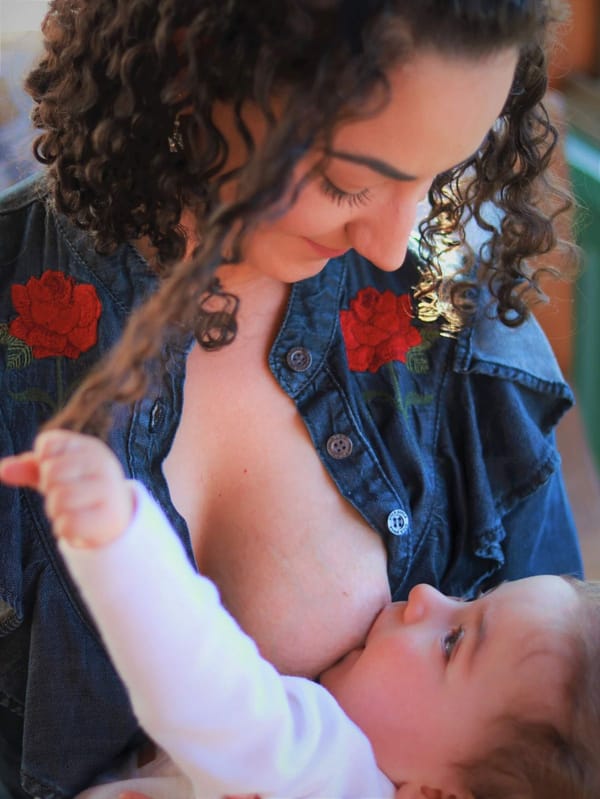

A Helpful Guide for New and Breastfeeding Moms
Breastfeeding is a beautiful bonding experience, but it often comes with many questions—especially for new moms. One of the most common concerns is: “How do I know if my baby is full?” Unlike bottle-feeding, breastfeeding doesn’t come with visible measurements, which can leave parents feeling unsure.
The good news? Babies are excellent at communicating their needs. By learning to recognize the signs your baby is full while breastfeeding, you can feed with confidence, reduce stress, and support your baby’s healthy growth.
In this guide, we’ll walk through the most common physical and behavioral signs that show your baby has had enough milk.
Why Knowing Fullness Cues Matters
Understanding your baby’s feeding cues helps you:
- Avoid overfeeding or underfeeding
- Build trust in your baby’s natural hunger signals
- Support healthy digestion
- Feel more confident as a breastfeeding parent
Breastfed babies naturally regulate their intake, so learning their cues is more important than watching the clock.
1. Your Baby Releases the Breast Naturally
One of the clearest signs your baby is full is when they let go of the breast on their own.
A full baby may:
- Gently unlatch
- Turn their head away
- Relax their mouth and jaw
If your baby unlatches calmly and appears content, it usually means they’ve had enough milk.
2. Slower or Stopped Sucking
At the beginning of a feeding session, babies usually suck quickly and actively. As they become full, you may notice:
- Slower sucking
- Longer pauses between sucks
- Minimal swallowing sounds
This change in rhythm is a natural sign that your baby is reaching fullness.
3. Relaxed Hands and Body
Babies often start feeding with tight fists and active movements. As they become full, their body language changes.
Signs include:
- Hands opening and relaxing
- Arms falling loosely to the side
- A calm, floppy body posture
A relaxed baby is usually a satisfied baby.
4. Baby Appears Calm and Content
After a full feeding, your baby may:
- Look peaceful and relaxed
- Stop fussing or crying
- Smile or appear drowsy
Some babies may even drift off to sleep at the breast. While sleep alone isn’t always a sign of fullness, combined with other cues, it’s a strong indicator.
5. Baby Refuses to Continue Feeding
If your baby is full, they may:
- Push the breast away
- Turn their head repeatedly
- Cry or fuss when encouraged to continue feeding
These behaviors are your baby’s way of saying, “I’m done.” It’s important to respect these cues rather than encouraging them to keep feeding.
6. Breast Feels Softer After Feeding
While this sign is more noticeable to moms than babies, it’s still helpful. After a good feeding:
- Your breast may feel softer
- Fullness or pressure decreases
This suggests your baby has effectively removed milk and likely received enough for that session.
7. Regular Wet and Dirty Diapers
Outside of feeding sessions, diaper output is one of the best long-term signs your baby is getting enough milk.
Generally:
- Newborns should have several wet diapers per day
- Stool patterns vary, but regular output is a positive sign
If diaper counts are consistent and your baby is growing well, it’s a strong indicator they’re feeding adequately.
8. Healthy Weight Gain and Growth
While not an immediate sign after each feeding, healthy growth over time confirms your baby is getting enough milk.
Your pediatrician will monitor:
- Weight gain
- Length and head circumference
- Overall development
Steady growth means your baby’s feeding routine is working well.
Common Myths About Baby Fullness
Myth: Babies should feed for a fixed number of minutes Truth: Feeding duration varies—some babies are efficient eaters, others take longer.
Myth: Crying always means hunger Truth: Babies cry for many reasons, including tiredness, discomfort, or needing comfort.
Trust Your Baby—and Yourself
Every baby is unique. Some feed quickly, others take their time. The key is to observe your baby’s cues rather than follow strict rules.
If your baby seems content, has good diaper output, and is growing well, you’re doing a great job 💛
When to Seek Help
If you’re concerned about:
- Poor weight gain
- Very few wet diapers
- Constant fussiness after feeds
Consider speaking with a pediatrician or lactation consultant for personalized guidance.
Final Thoughts
Learning the signs your baby is full while breastfeeding takes time, patience, and practice. As you grow more familiar with your baby’s signals, feeding will feel more natural and less stressful.
Trust the process—and remember, you’re not alone on this journey.